

In today’s tech-driven world, UPI – Unified Payments Interface has become the mode of payment. Years back, we all took cash in hand to pay our shopping bill, restaurant bill, even for a single coffee, but now all have been replaced by UPI payments, it questions the unwanted and the limitless spending we do on a daily basis. Though it is convenient, does it pave the way for saving or not, is what we have to think about.
Illusion behind this Convenience:
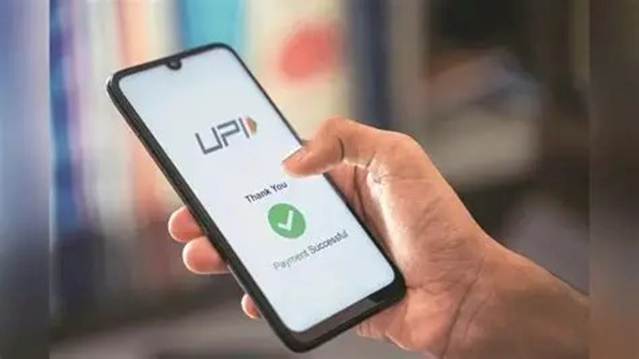
UPI was designed to make payments seamless, and no doubt it achieved that. Every convenient activity comes with a cost; UPI has reduced the habit of paying with cash, which earlier made people more aware of money leaving their hands, and often let them reconsider their spending. This tap and pay ends up in impulse purchases.
One tap equals big impact:
Let’s look into real examples of how our spending changed before and after UPI.
Hotel spending then Vs now:
Then: You walk into a restaurant with ₹1000, you check for price in the menu sometimes skip Starter or dessert.
Now: You walk in, order the food impulsively. The bill, ₹2,500. You just tap and go.
New tipping culture then vs now:
Then: you pay ₹20 out of your pocket.
Now: It has become ₹100 to ₹200 via UPI transfer.
Individually, this feel significant, let’s sum it up for a year, you go restaurant 2 times a month, which is ₹5000 and ₹60,000 a year. That amount could have been invested, grown, and compounded into a significant sum. All this spending kills your savings in the long run because there is no physical money leaving your hand, you can’t control your spending, and struggle to save. That’s the cost of seamless spending.
How to bring control over impulsive spending:
Following simple steps can lead to a big impact on your savings:
1.Track your digital spending by checking your weekly statement and monthly statement.
2. Set a Daily Limit and stick to it.
3. Before scanning the QR, ask yourself and prioritize needs over wants.
4. Use cash for small spending like tea and snacks.
5. Transfer a fixed amount every month before you start spending.
UPI is a powerful tool; it transformed the way of spending, but saving money or losing money is in your hand. Every rupee spent on an unwanted purchase is a rupee not invested properly, which hits your financial health badly in the long run.
So next time when you scan a QR code, Pause for a second. Think about whether it is a need or silently killing your savings?